You know how your brain can’t remember your own phone number, but it can remember that one random TikTok audio from 2021? Yeah. Turns out your memory works—it’s just picky and chaotic, like a cat with a trust fund.
Right now, the internet is obsessed with threads like the massive r/TodayILearned community (23 million members and counting) where people share weird facts they randomly remember forever. Inspired by that very real “I learned this once and now it lives in my skull rent-free” phenomenon, let’s weaponize it.
If TikTok audios and cursed trivia can stick in your brain for years, you can use the same tricks to remember actual useful stuff—like names, passwords, and where you put your keys instead of “on vibes.”
Welcome to: Life Hacks Using The Same Dark Magic Your Brain Uses To Remember Random Facts.
Turn Everything Into “Weird Trivia” Your Brain Wants To Keep
Your brain LOVES oddly specific, slightly unhinged facts. That’s why r/TodayILearned is booming and you still know that octopuses have three hearts but not what you walked into the kitchen for.
So hack it: when you want to remember something boring, turn it into tiny trivia about your own life.
- Instead of: “My dentist appointment is on March 12.”
- Try: “Fun fact: on March 12, I voluntarily pay someone to stab my gums with tiny weapons.”
Say it out loud once like you’re posting to Reddit or telling a friend a weird story. Add one strange detail. Your brain goes, “Oh, this is content,” and files it next to “bananas are berries.”
Use this for:
- Dates: “On the 7th, I pay rent so I don’t become a documentary about urban squatting.”
- Chores: “Today’s the day I wash my sheets and remove my exact body print from the mattress.”
- Goals: “In June, I start running, not from my problems, but alongside them.”
You’re not remembering tasks. You’re collecting lore.
Give Boring Info A Dumb Story (Yes, Even Passwords)
That huge online facts community proves one thing: we remember stories, not raw data. Time to abuse that.
Take something awful like a password: G7t!pL92. Looks like Wi-Fi in a haunted Airbnb. Turn it into a mini-movie:
G7→ “Galaxy 7”t!→ “tiny!pL→ “purple llama”92→ “from 1992”
Now your brain only has to remember:
“The tiny purple llama from Galaxy 7, born in 1992.”
Same trick for names:
- “This is Clara, like ‘clarity,’ and I met her at the bar when my vision was the opposite of clear.”
- “Jake with the beard → Lumber-Jake.”
- “Turn left at the café where I once paid $7 for anxiety in a cup, then right at the tree that looks like it’s seen some stuff.”
Same for directions:
Make it dumb. Make it visual. Make it slightly unhinged. Your brain will cherish it.
Abuse The “Tell Someone Immediately” Rule
That massive online group where 23 million people share random things they just learned is basically one giant psychological hack:
When you tell someone something quickly, your brain flags it as important.
You can do this without spamming a subreddit (unless you want to):
- Learn something you actually want to remember (a tip, concept, language rule).
Within 5–10 minutes, tell someone:
- Text a friend: “Micro fact of the day: [thing you learned].” - Drop it in a group chat as “unwanted knowledge hour.” - Say it out loud to your pet. Cats judge, but they don’t fact-check.
You just created:
- Repetition (you thought it, then said it).
- Emotion (you framed it like a cool share).
- Context (you placed it in a conversation, not a void).
Now your brain files it somewhere way higher priority than “things my teacher said in 2007.”
Bonus: You become That Friend With Random Facts, which is 80% of having a personality online anyway.
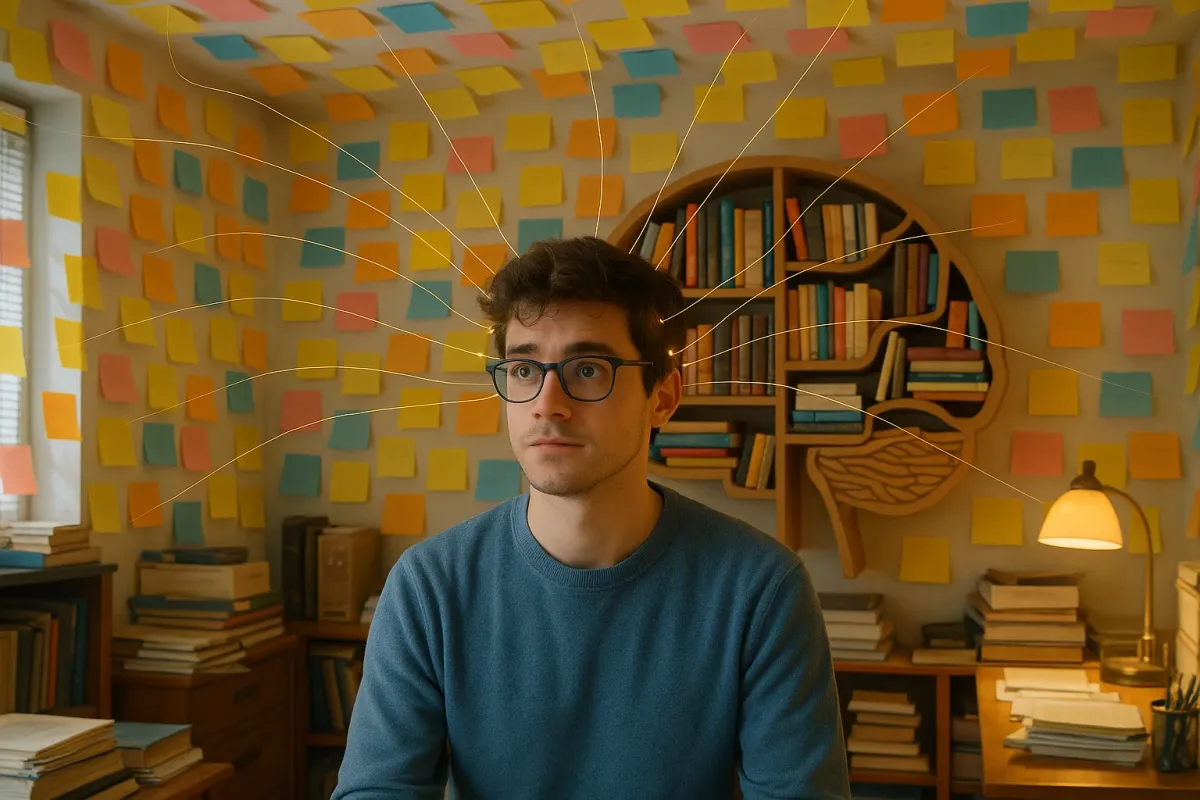
Turn Your Home Into A Dumb Meme-Based Reminder System
People memorize random memes, cursed comments, and comment-section chaos… but not their to-do list. Solution: merge the two.
Use visual chaos as memory anchors:
- Put a ridiculous sticker or doodle by the door: every time you see the neon duck with sunglasses, that means “Check keys, wallet, phone.”
- Assign one cursed image to each chore.
- Laundry = a sock with googly eyes taped to the washer.
- Dishes = fork drawn on a Post-it saying “help.”
- Trash day = a small skull icon on your calendar because that’s when your leftovers finally die.
When you see the object, your brain doesn’t think “reminder.” It thinks “lol what—oh right, laundry.” Exactly like scrolling, laughing, then accidentally learning something.
You’re basically building a real-life meme feed in your apartment. Congrats, you live in an algorithm now.
Use “Future You” Like A Shared Account (Because Your Memory Is A Liar)
Everyone in those online fact communities loves to say: “I learned this years ago and never forgot it.” Meanwhile, you can’t remember if you locked the front door 10 minutes ago.
Accept this truth:
Present You is vibes. Future You is the victim.
So treat Future You like a roommate you care about (a little):
- When you put something somewhere weird “just for now,” send Future You a message:
- Text yourself: “Wallet is in the hoodie pocket because you made choices.”
- Email yourself with the subject: “Open this when you’re panicking about your passport.”
- Record 10-second voice notes:
- “Hey Wednesday Me, your lunch is in the fridge behind the jar of mystery pickles. Don’t order delivery, you gremlin.”
- Rename phone reminders like they’re coming from someone else:
- Instead of “Reminder: Call mom”
- Use “From: Future Therapist – Call your mother back.”
The more personality you give these, the more likely you’ll actually look at them—and remember why Past You did something unhinged but ultimately kind.
Conclusion
If 23 million people can bond online over random tidbits they learned once and never forgot, your brain is not broken—it’s just a chaos-loving content goblin.
So stop fighting it. Use it.
- Turn everything into weird trivia.
- Wrap data in stupid little stories.
- Tell someone fast so it sticks.
- Decorate your life with visual memes.
- Treat Future You like a fragile shared account, not a superhero.
Your memory isn’t lazy; it just wants entertainment value.
Feed it that—and suddenly you’re not just remembering facts…
You’re the main character with good lore.
Now send this to a friend with the caption:
“Fun fact: your brain is a gremlin and this is its care manual.”